









1. Teak Furniture Care & Maintenance
Preserving the Natural Beauty of Your Teak Furniture
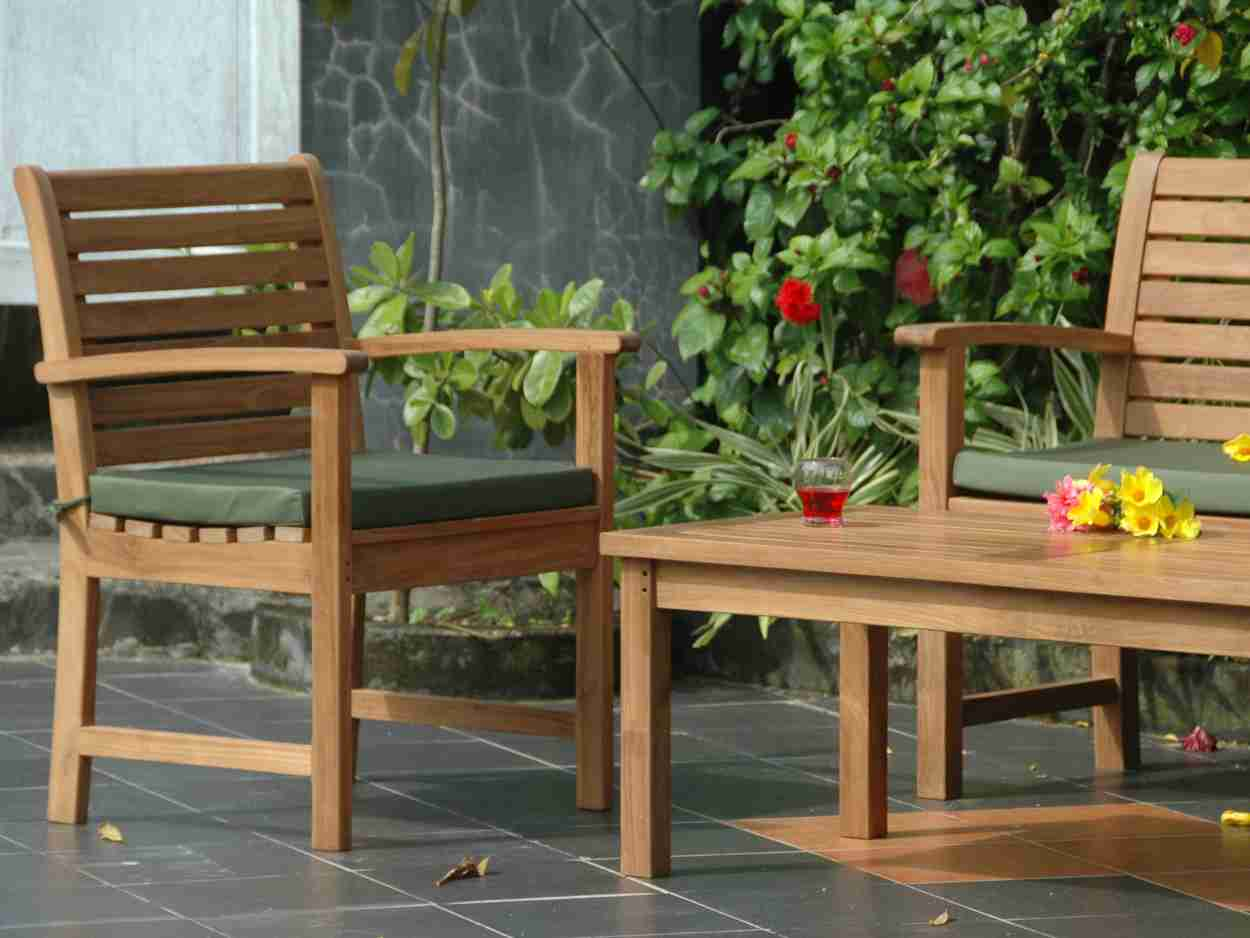
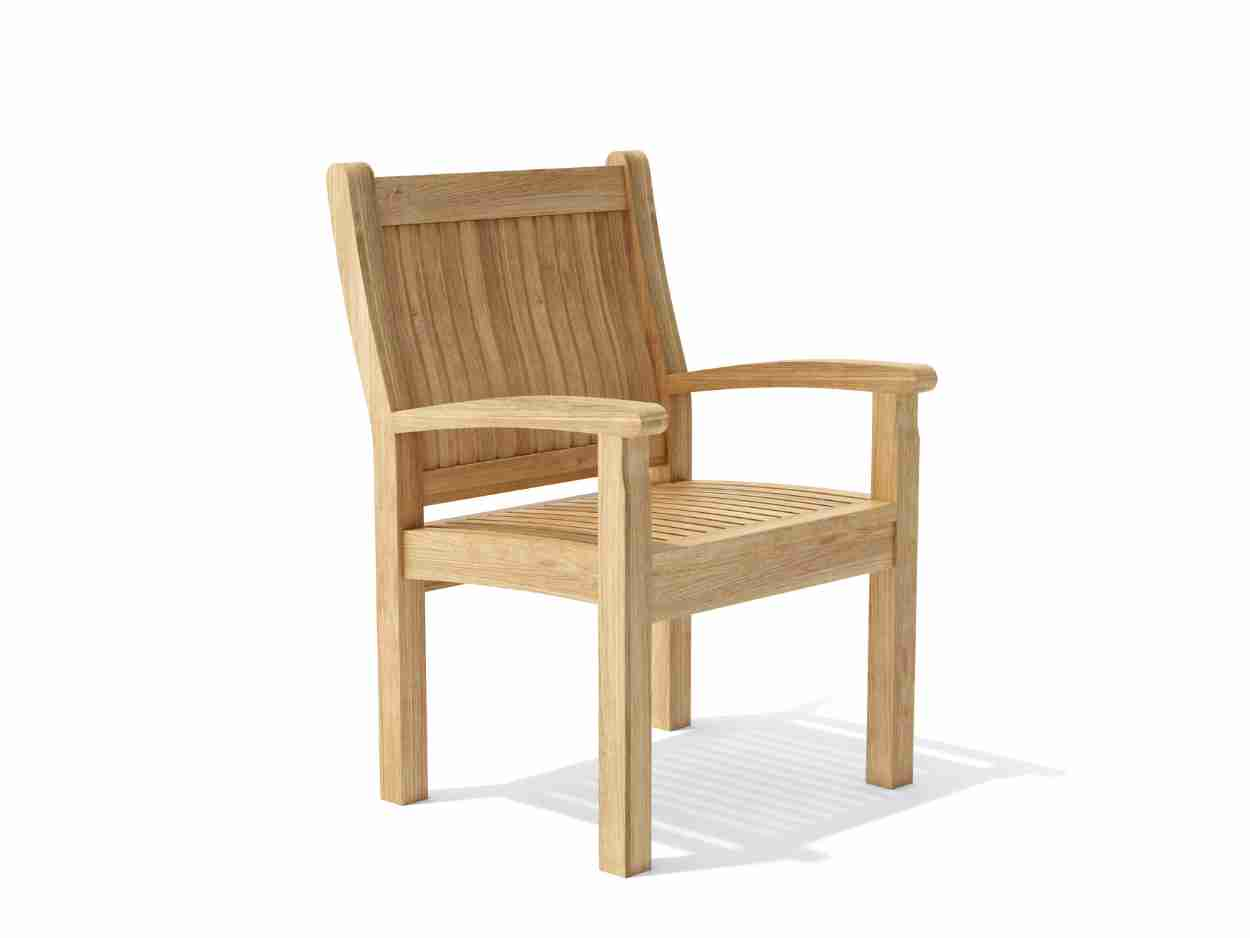
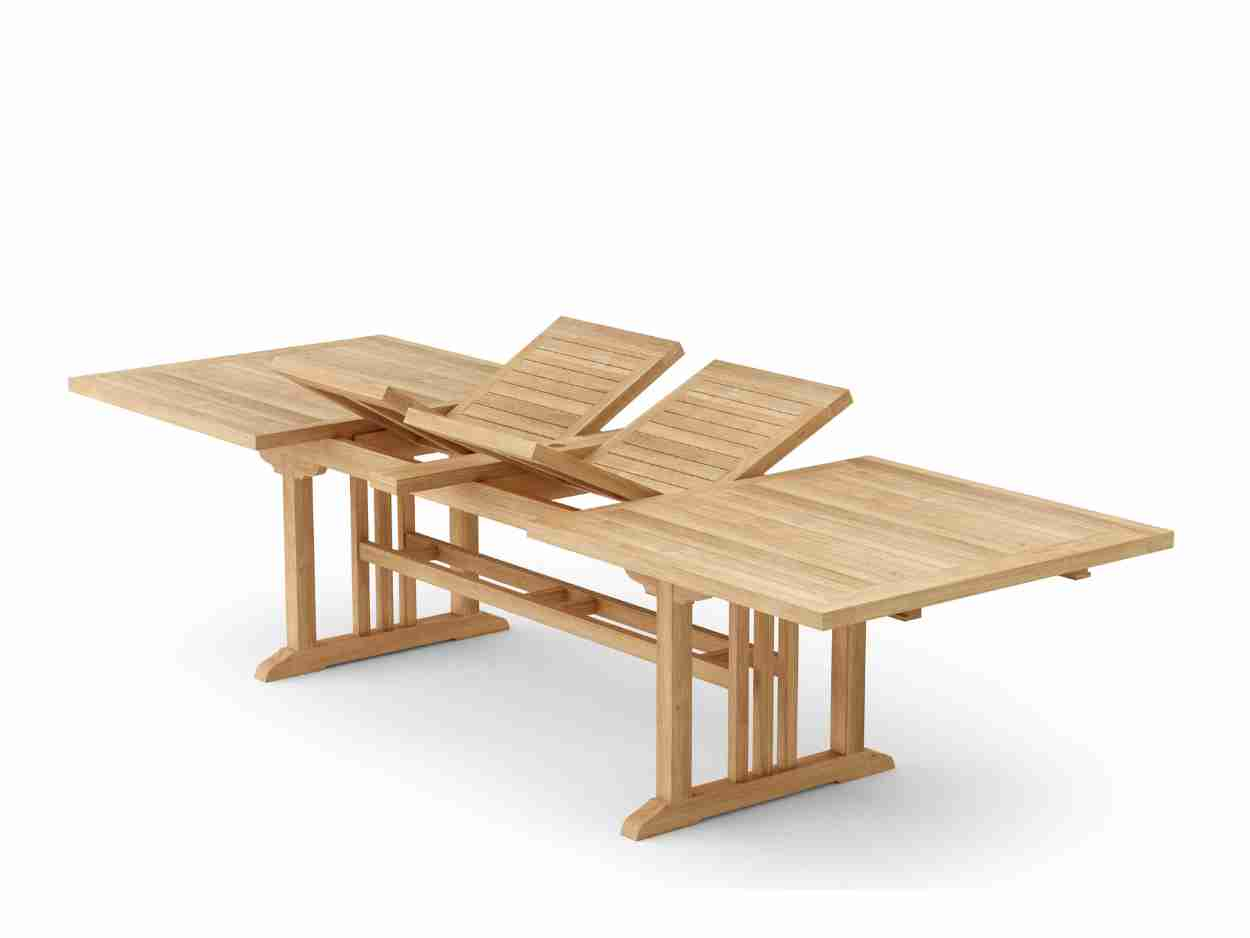
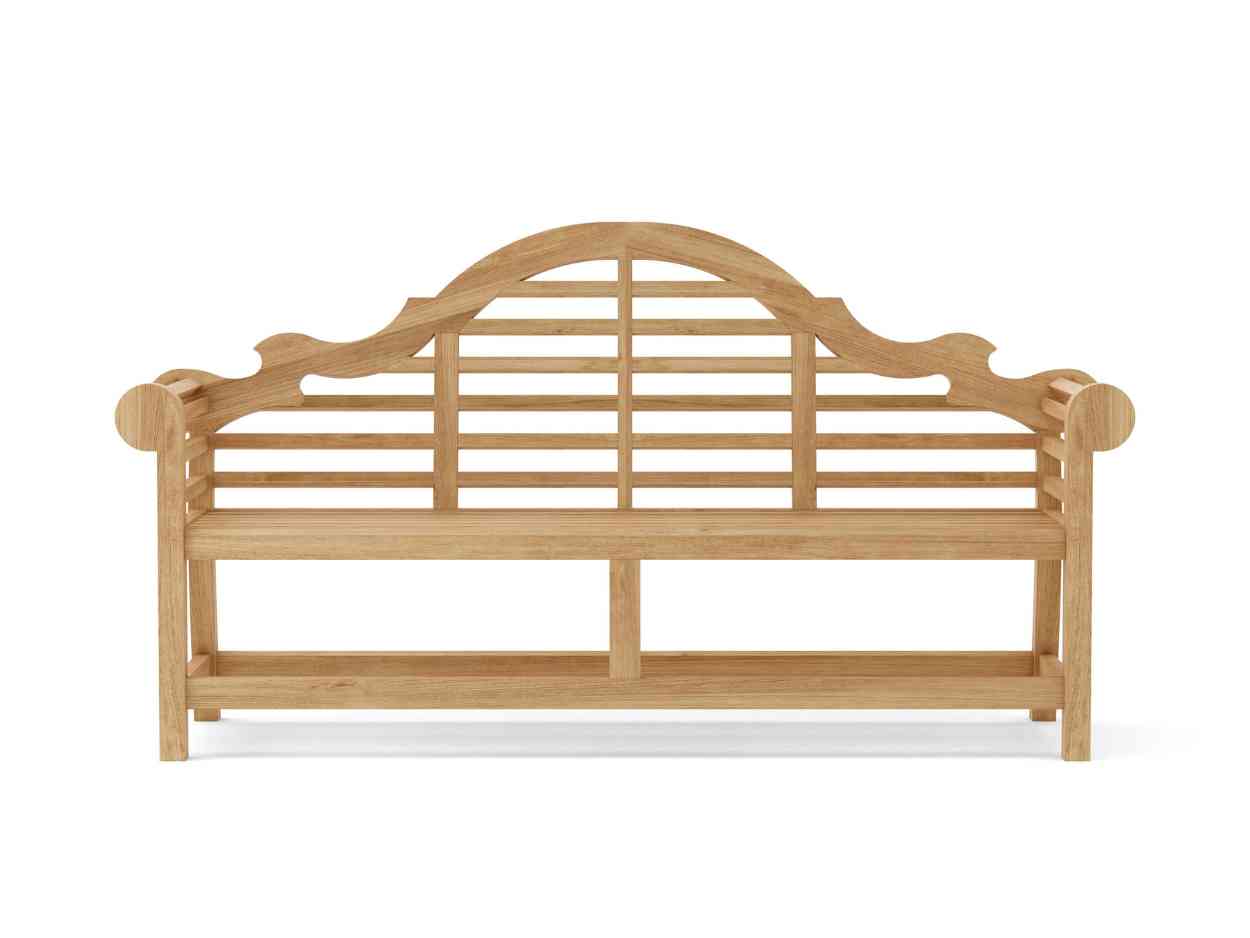
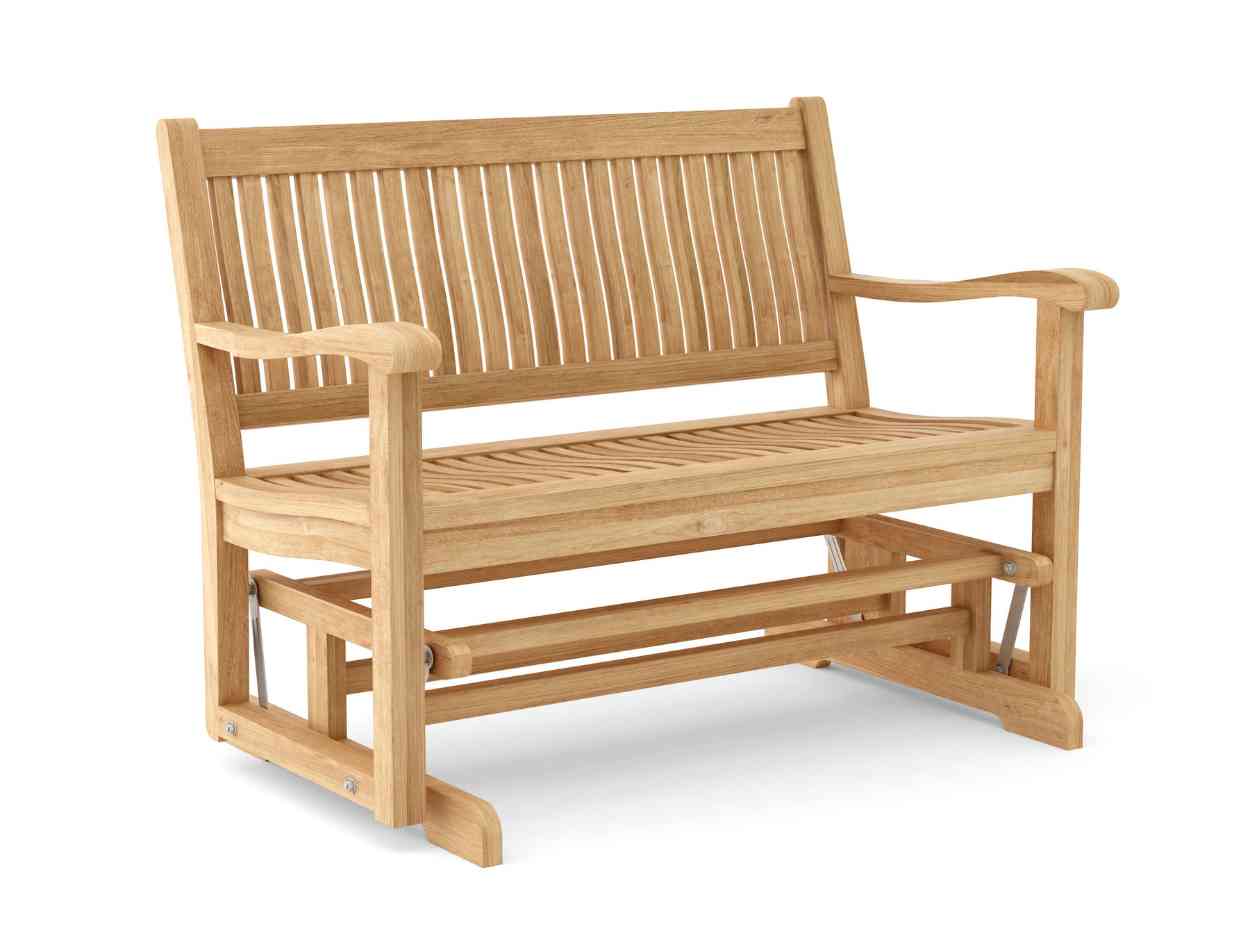
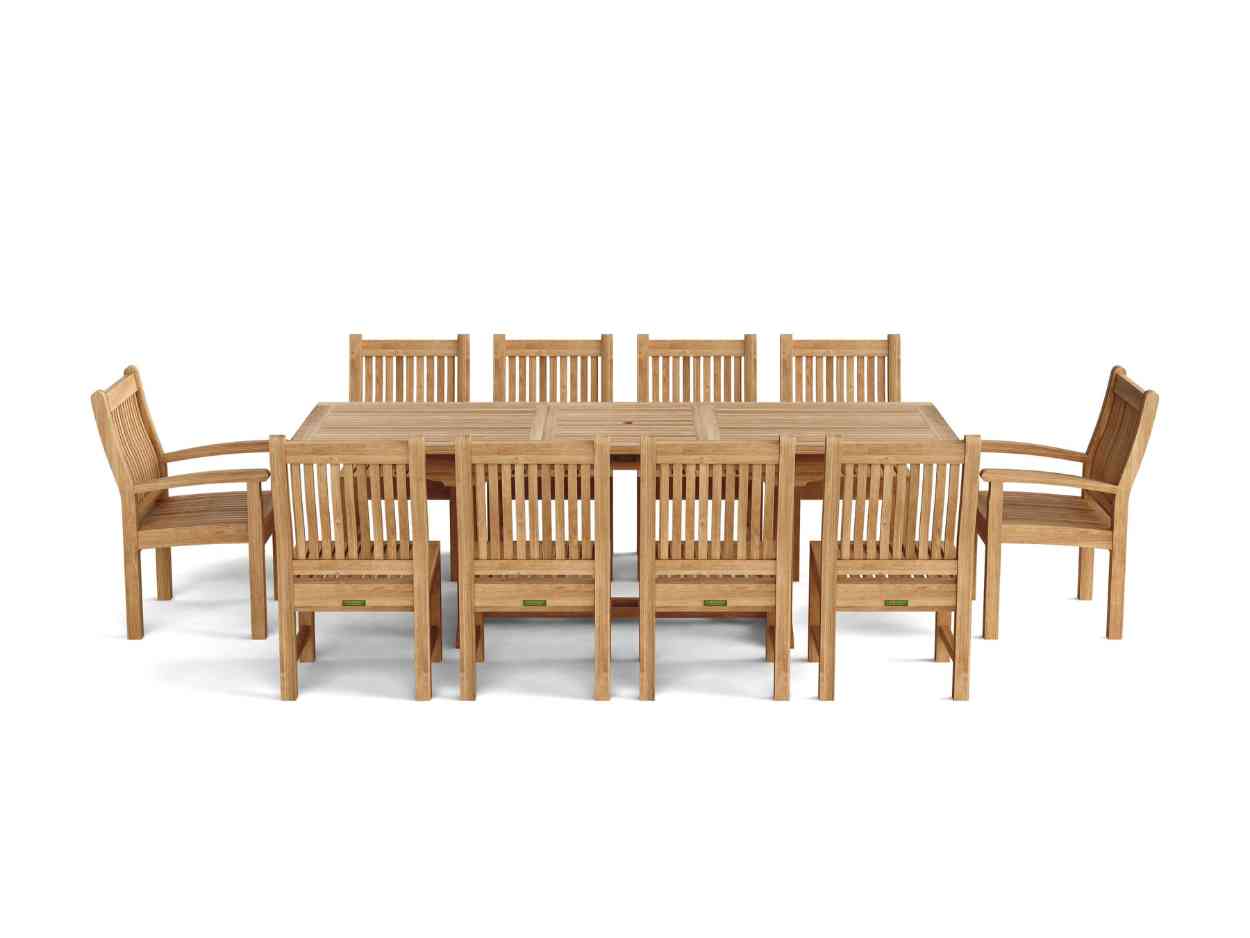
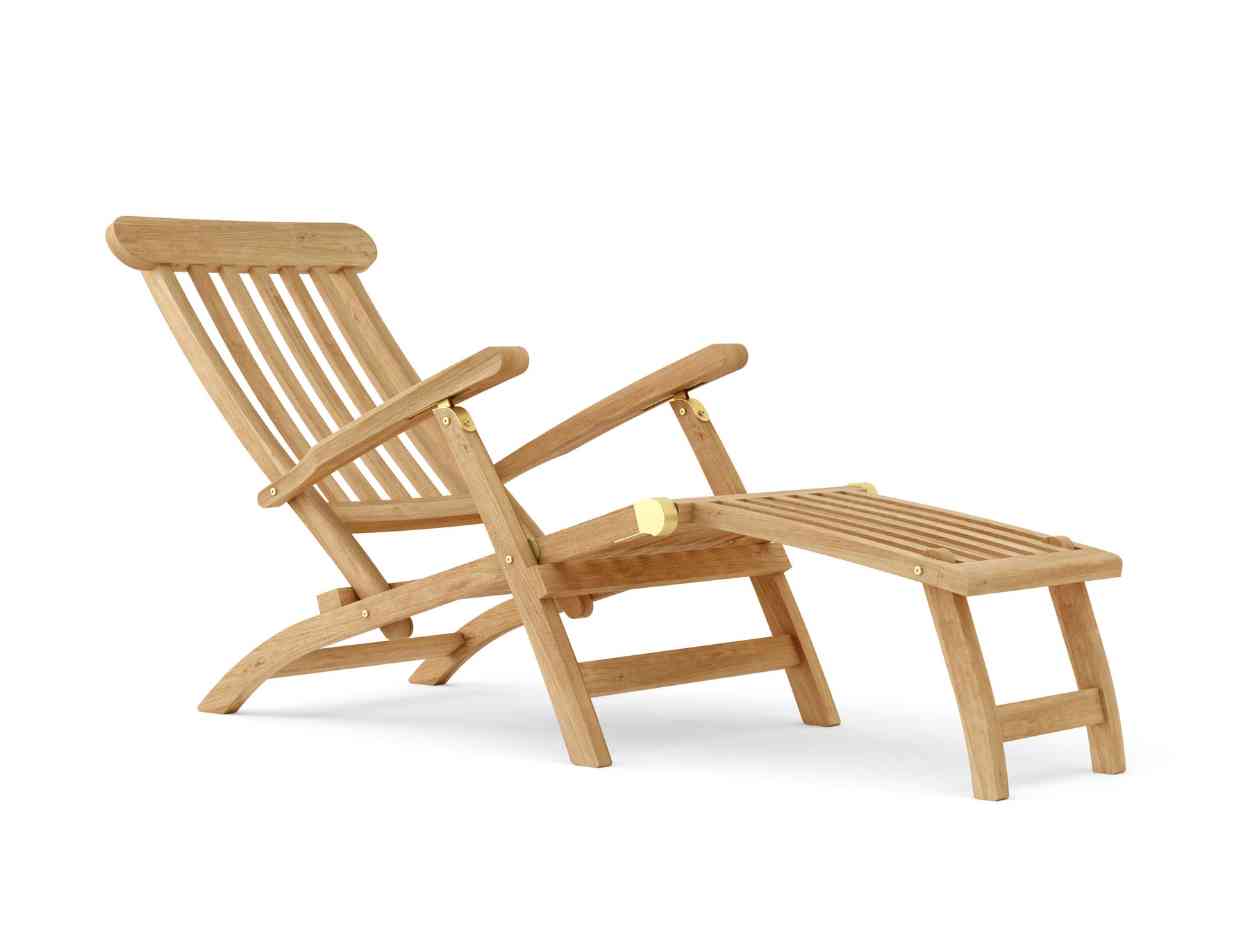
Anderson Teak outdoor furniture is crafted from premium Grade-A teak, renowned for its exceptional durability, natural beauty, and resistance to outdoor weather conditions.
Teak contains natural oils that help protect the wood against moisture, decay, and outdoor exposure. With proper care, your teak furniture can provide many years of lasting beauty and enjoyment.
1. Regular Cleaning
• Remove dust, leaves, and loose debris using a soft brush or dry cloth.
• Clean the furniture periodically with mild soap and lukewarm water.
• Use a soft-bristle brush or sponge, gently scrubbing in the direction of the wood grain.
• Rinse thoroughly with clean water and allow the furniture to air-dry completely.
• Avoid harsh chemicals, abrasive cleaners, steel wool, and pressure washers.
2. Natural Weathering & Color Changes
New teak furniture features a beautiful natural golden-brown color.
When exposed to sunlight and outdoor weather conditions, untreated teak gradually develops an elegant silver-gray patina. This is a natural aging process and does not affect the structural integrity or durability of the furniture.
Customers may choose to:
• Maintain the Golden-Brown Appearance: Apply a teak protector specifically designed for outdoor teak furniture, following the manufacturer's instructions.
• Allow Natural Weathering: Leave the teak untreated to develop its distinctive silver-gray patina.
Avoid applying conventional varnishes, polyurethane, or unsuitable wood finishes, as these may peel, crack, or require extensive maintenance.
3. Maintaining the Original Teak Color
To help preserve the original golden-brown appearance:
• Clean and thoroughly dry the furniture before treatment.
• Apply a high-quality water-based teak protector suitable for outdoor furniture.
• Follow the product manufacturer's application and reapplication instructions.
• Test the treatment on a small, inconspicuous area before applying it to the entire furniture piece.
4. Seasonal & Winter Care
Grade-A teak furniture is naturally durable and can generally remain outdoors throughout the year, including during cold winter months.
For additional protection:
• Use breathable, properly fitted outdoor furniture covers during extended periods of non-use.
• Ensure adequate airflow beneath the covers to minimize trapped moisture and condensation.
• Avoid wrapping furniture tightly with non-breathable plastic.
• Remove accumulated snow and standing water when practical.
• Store furniture in a dry, ventilated, covered area when possible during prolonged severe weather.
5. Natural Characteristics of Teak
Teak is a natural hardwood, and minor variations are expected.
These may include:
• Variations in wood grain and color.
• Small surface checks or hairline cracks caused by seasonal temperature and humidity changes.
• Natural expansion and contraction of the wood.
These characteristics are normal and do not necessarily indicate manufacturing defects.
6. Important Care Recommendations
• Avoid prolonged contact with standing water.
• Clean food spills, sunscreen, and oils promptly.
• Use coasters and placemats to reduce staining.
• Avoid dragging furniture across rough surfaces.
• Inspect and tighten accessible hardware periodically when necessary.
With simple routine maintenance, Anderson Teak furniture will continue to offer timeless beauty, comfort, and exceptional outdoor performance for years to come.
6. Outdoor Cushion Care & Maintenance
Keeping Your Outdoor Cushions Beautiful, Comfortable, and Fresh
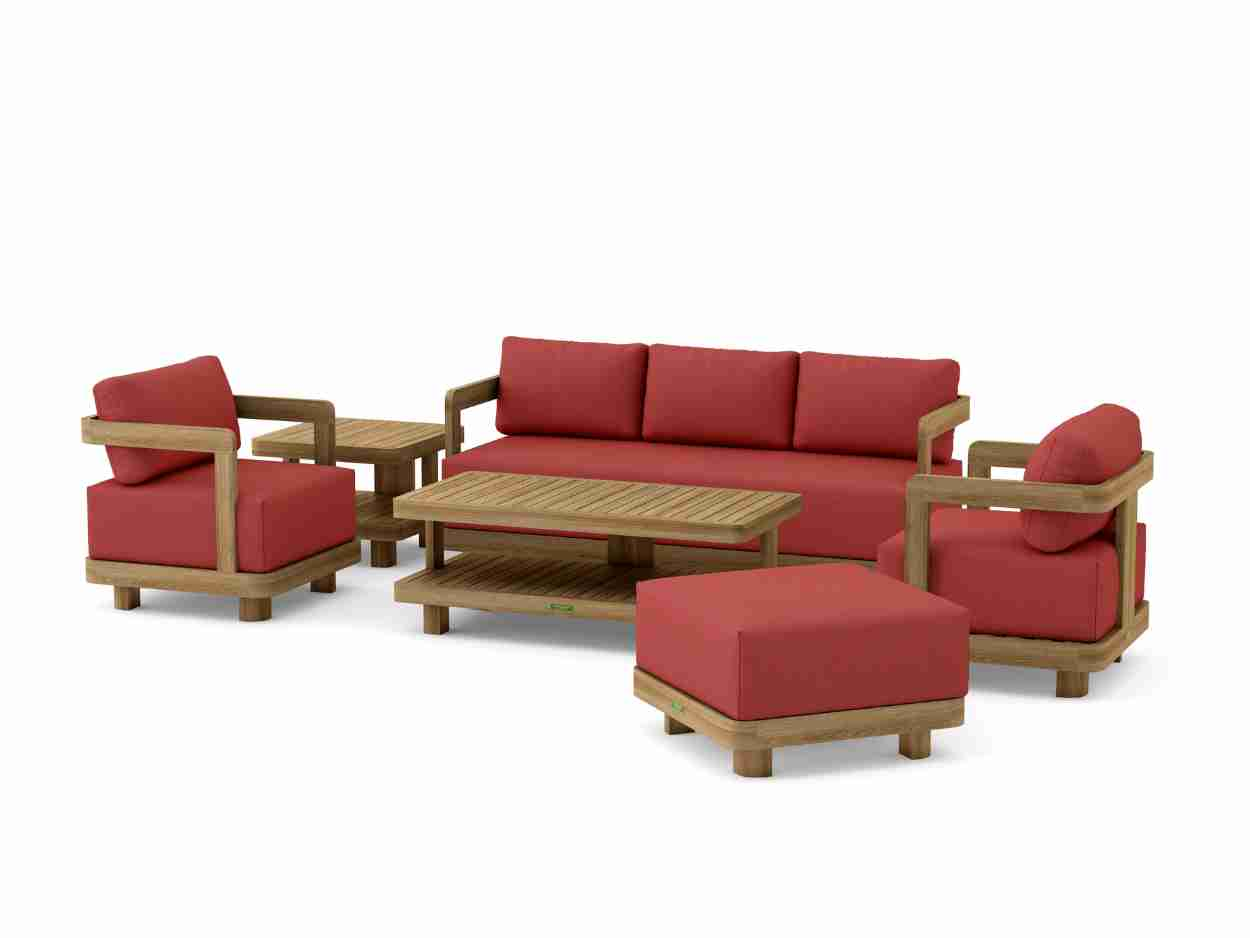
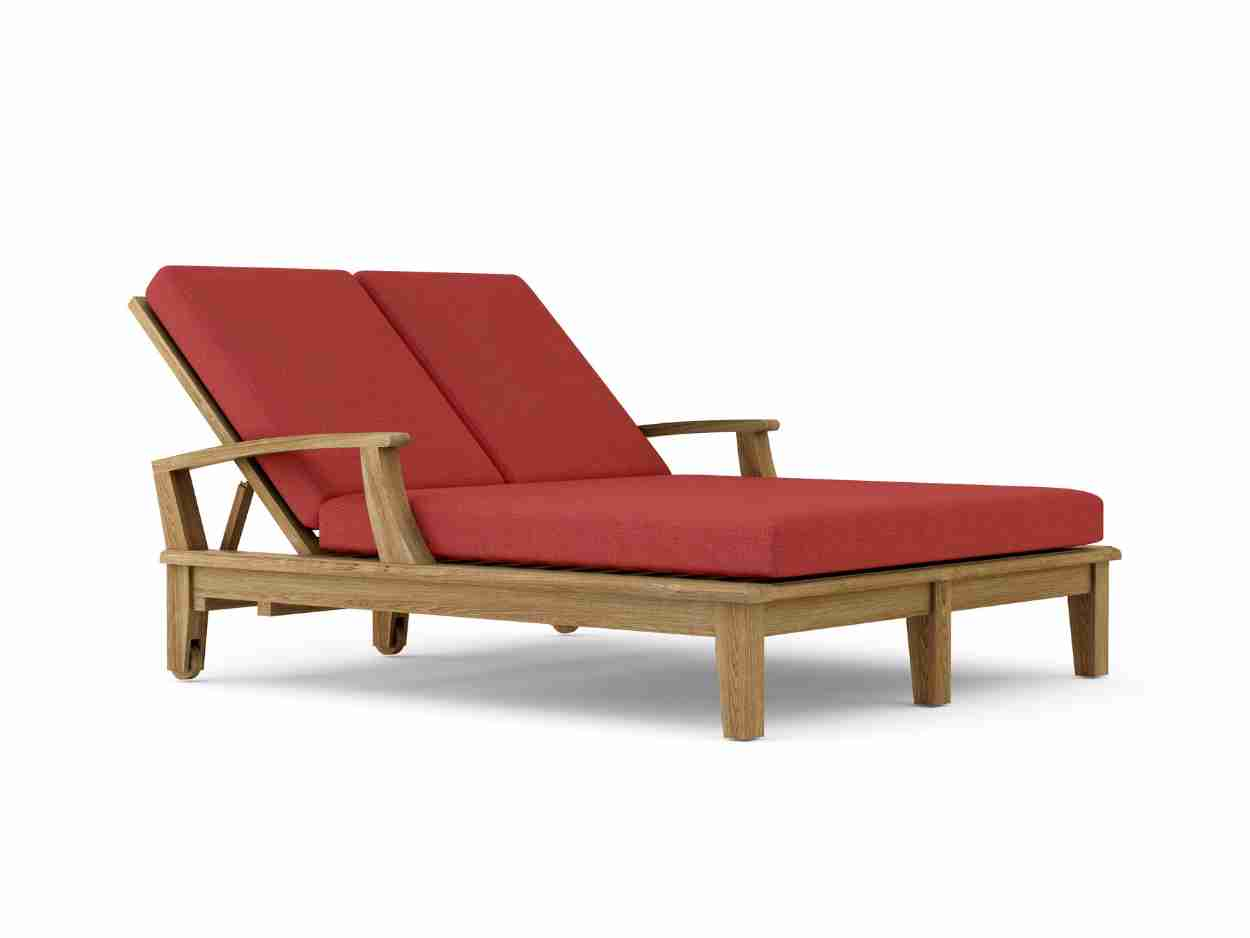
Anderson Teak outdoor cushions are designed to complement our premium outdoor furniture while providing comfort, durability, and elegant style.
Proper care and maintenance help preserve the appearance, performance, and longevity of outdoor cushion fabrics and foam inserts.
1. Regular Cleaning
• Brush off loose dirt and debris regularly.
• Wipe away spills promptly using a clean, absorbent cloth.
• For routine cleaning, use mild soap and lukewarm water.
• Gently clean the fabric with a soft brush or sponge.
• Rinse thoroughly to remove soap residue.
• Allow cushions to air-dry completely before use or storage.
Always follow the specific fabric manufacturer's cleaning instructions.
2. Sunbrella & Performance Outdoor Fabrics
Many Anderson Teak cushions are available with Sunbrella and other high-performance outdoor fabrics.
These fabrics are designed to provide resistance to fading, moisture, and everyday outdoor exposure.
To maintain their appearance:
• Clean stains promptly before they become embedded.
• Avoid harsh chemicals unless approved by the fabric manufacturer.
• Follow the manufacturer's instructions for stain removal and deep cleaning.
• Use only approved fabric protectors when necessary.
• Never use excessive heat when drying outdoor fabrics.
For Sunbrella fabrics, certain cleaning methods, including diluted bleach solutions for appropriate stains, may be permitted under Sunbrella's official care instructions. Always verify the fabric type before using specialized cleaning products.
3. Cushion Foam & Moisture Management
Outdoor cushions may contain foam and other materials designed for outdoor applications.
Although many outdoor fabrics resist moisture, cushions are not necessarily waterproof.
For best performance:
• Remove cushions during prolonged or heavy rainfall whenever practical.
• If cushions become wet, place them upright in a well-ventilated area.
• Allow both the fabric and foam inserts to dry completely.
• Avoid storing cushions while damp.
• Do not leave cushions sitting in standing water.
Moisture trapped inside cushions may cause unpleasant odors, mildew, or deterioration over time.
4. Preventing Mold & Mildew
Outdoor fabrics may resist mildew growth, but dirt and organic residue can support mold or mildew development.
To help prevent these issues:
• Keep cushions clean and free from organic debris.
• Ensure adequate airflow around cushions.
• Avoid storing damp cushions in enclosed spaces.
• Clean and dry cushions thoroughly before long-term storage.
5. Seasonal & Winter Storage
For maximum longevity, Anderson Teak recommends storing outdoor cushions indoors during winter and extended periods of non-use.
Recommended storage practices:
• Clean cushions thoroughly before storage.
• Allow them to dry completely.
• Store in a clean, dry, well-ventilated area.
• Use breathable cushion storage bags when appropriate.
• Avoid tightly sealed plastic bags that may trap moisture.
• Keep cushions away from excessive heat and direct contact with damp surfaces.
6. Maintaining Cushion Shape & Comfort
• Rotate and reposition cushions periodically to encourage even wear.
• Fluff cushions when appropriate to maintain their shape.
• Avoid placing excessive weight on cushions for extended periods.
• Protect cushions from sharp objects and abrasive surfaces.
• Follow the care instructions for removable cushion covers, if applicable.
Not all cushion covers are machine washable. Check the specific fabric and cushion construction before removing or washing covers.
7. Important Care Recommendations
• Clean sunscreen, food, beverage, and oil stains promptly.
• Avoid exposing cushions to direct heat sources.
• Do not use a tumble dryer unless expressly permitted by the fabric manufacturer.
• Protect cushions from prolonged unnecessary exposure to severe weather.
• Store cushions indoors when not in use for extended periods.
With regular cleaning, proper drying, and seasonal storage, Anderson Teak outdoor cushions will continue to provide lasting comfort and beauty.
2. Aluminum Furniture Care & Maintenance
Maintaining the Beauty and Durability of Your Aluminum Outdoor Furniture
Anderson Teak aluminum outdoor furniture combines contemporary design, lightweight construction, and excellent resistance to outdoor weather conditions.
Our aluminum furniture is designed for long-lasting outdoor performance with minimal maintenance.
1. Regular Cleaning
• Remove dust, dirt, and debris with a soft cloth or sponge.
• Wash the aluminum surfaces with mild soap and lukewarm water.
• Rinse thoroughly with clean water to remove soap residue.
• Dry with a clean, soft cloth to prevent water spots.
• Clean more frequently in coastal environments or areas exposed to pollution.
2. Protecting the Powder-Coated Finish
Many aluminum furniture pieces feature a durable powder-coated finish designed to provide additional protection against outdoor elements.
To maintain the finish:
• Avoid abrasive cleaning pads, steel wool, and harsh chemical cleaners.
• Do not use acidic, alkaline, or solvent-based cleaning products unless specifically approved for the finish.
• Avoid scratching the surface with sharp or metal objects.
• Clean bird droppings, sunscreen, and chemical residues promptly.
• Inspect the finish periodically for scratches or chips.
Minor surface damage should be addressed promptly using a compatible touch-up coating recommended for the specific finish.
3. Outdoor & Weather Resistance
Aluminum is naturally resistant to rust and corrosion, making it an excellent material for outdoor furniture.
However, prolonged exposure to saltwater, pool chemicals, and harsh environmental conditions may affect the surface finish or hardware.
For best results:
• Rinse furniture periodically when used near swimming pools or coastal areas.
• Remove chlorine and salt deposits promptly.
• Avoid prolonged exposure to concentrated chemicals.
• Keep drainage openings clear where applicable.
4. Seasonal & Winter Care
Aluminum outdoor furniture can generally remain outside throughout the year.
For additional protection during winter or extended periods of non-use:
• Clean and dry the furniture before covering or storing.
• Use breathable outdoor furniture covers.
• Avoid allowing water to accumulate beneath covers.
• Remove excessive snow accumulation when practical.
• Store furniture in a dry, sheltered location during prolonged extreme weather whenever possible.
5. Hardware & Moving Parts
• Periodically inspect screws, bolts, and other accessible hardware.
• Tighten loose connections as necessary without overtightening.
• Keep adjustable mechanisms and moving components clean.
• Use only manufacturer-approved lubricants when necessary.
6. Important Care Recommendations
• Do not drag furniture across abrasive surfaces.
• Avoid standing on chairs, tables, or armrests.
• Protect furniture from strong impacts.
• Follow applicable weight limits and intended-use guidelines.
• Use furniture covers when the furniture will not be used for extended periods.
With proper cleaning and routine maintenance, Anderson Teak aluminum furniture will retain its elegant appearance and provide reliable outdoor performance for many years.
3. Indoor Furniture Care & Maintenance
Preserving the Natural Elegance of Your Solid Wood Furniture
Anderson Teak indoor furniture is crafted to bring timeless beauty, warmth, and exceptional craftsmanship into your living spaces.
Our indoor furniture may feature premium teak, mahogany, and other carefully selected hardwoods. Each piece showcases the distinctive character of natural wood, including unique grain patterns and subtle color variations.
With proper care, your indoor furniture can retain its elegance, durability, and functionality for generations.
1. Regular Cleaning
• Dust furniture regularly using a soft, dry microfiber cloth.
• For routine cleaning, use a slightly damp cloth when necessary.
• Wipe gently in the direction of the wood grain.
• Immediately dry the surface with a clean, soft cloth.
• Avoid excessive water, abrasive cleaning pads, and harsh household chemicals.
• Do not use steam cleaners or pressure washers.
Avoid soaking wooden surfaces or allowing moisture to penetrate joints and seams.
2. Protecting the Wood Finish
Indoor wood furniture may feature protective finishes designed to enhance the natural beauty of the wood.
To preserve the finish:
• Use coasters beneath beverages and placemats during meals.
• Avoid placing hot cookware or heated objects directly on wooden surfaces.
• Clean liquid spills immediately.
• Avoid prolonged contact with rubber, plastic, or vinyl materials that may react with certain finishes.
• Do not use silicone-based furniture polish or aggressive cleaning products unless recommended for the specific finish.
Use only cleaning and maintenance products compatible with the furniture's finish.
3. Temperature & Humidity Control
Solid wood naturally expands and contracts in response to environmental changes.
To help maintain dimensional stability:
• Keep furniture in a reasonably consistent indoor environment.
• Avoid placing furniture directly beside heating vents, fireplaces, or air-conditioning outlets.
• Protect furniture from prolonged exposure to direct sunlight.
• Avoid sudden changes in temperature and humidity.
• Maintain indoor relative humidity at approximately 40–55% when practical.
• Use a humidifier or dehumidifier when necessary to manage significant seasonal humidity changes.
Extreme dryness or excessive humidity may contribute to wood movement, surface checking, or changes in joints.
4. Preventing Scratches & Surface Damage
• Use felt pads beneath decorative objects.
• Lift objects rather than dragging them across wooden surfaces.
• Avoid writing directly on wood without protective padding.
• Keep sharp objects away from finished surfaces.
• Use protective pads beneath lamps, vases, and accessories.
• Periodically check protective pads and replace them when worn.
5. Natural Characteristics of Solid Wood
Natural hardwood furniture may exhibit variations that contribute to its unique character.
These may include:
• Differences in wood grain and natural color.
• Gradual color changes due to exposure to light and aging.
• Minor expansion and contraction caused by seasonal humidity changes.
• Small surface checks or subtle movement associated with natural wood characteristics.
These changes are normal characteristics of solid wood and do not necessarily indicate defects in materials or workmanship.
6. Long-Term Furniture Maintenance
• Inspect and tighten accessible hardware periodically when necessary.
• Keep furniture away from prolonged direct sunlight.
• Avoid exposing indoor furniture to rain or outdoor moisture.
• Follow the specific care instructions for upholstered, glass, metal, or stone components.
• Consult a qualified furniture professional before refinishing or repairing damaged surfaces.
7. Important Care Recommendations
• Indoor furniture is intended for indoor use unless otherwise specified.
• Never leave standing water on wooden surfaces.
• Avoid placing furniture in excessively damp environments.
• Do not apply teak oil, wax, or polish without confirming compatibility with the existing finish.
• Protect furniture during moving or transportation.
• Lift furniture properly rather than dragging it across floors.
With thoughtful care and regular maintenance, Anderson Teak indoor furniture will preserve its natural elegance, distinctive craftsmanship, and lasting beauty for generations.
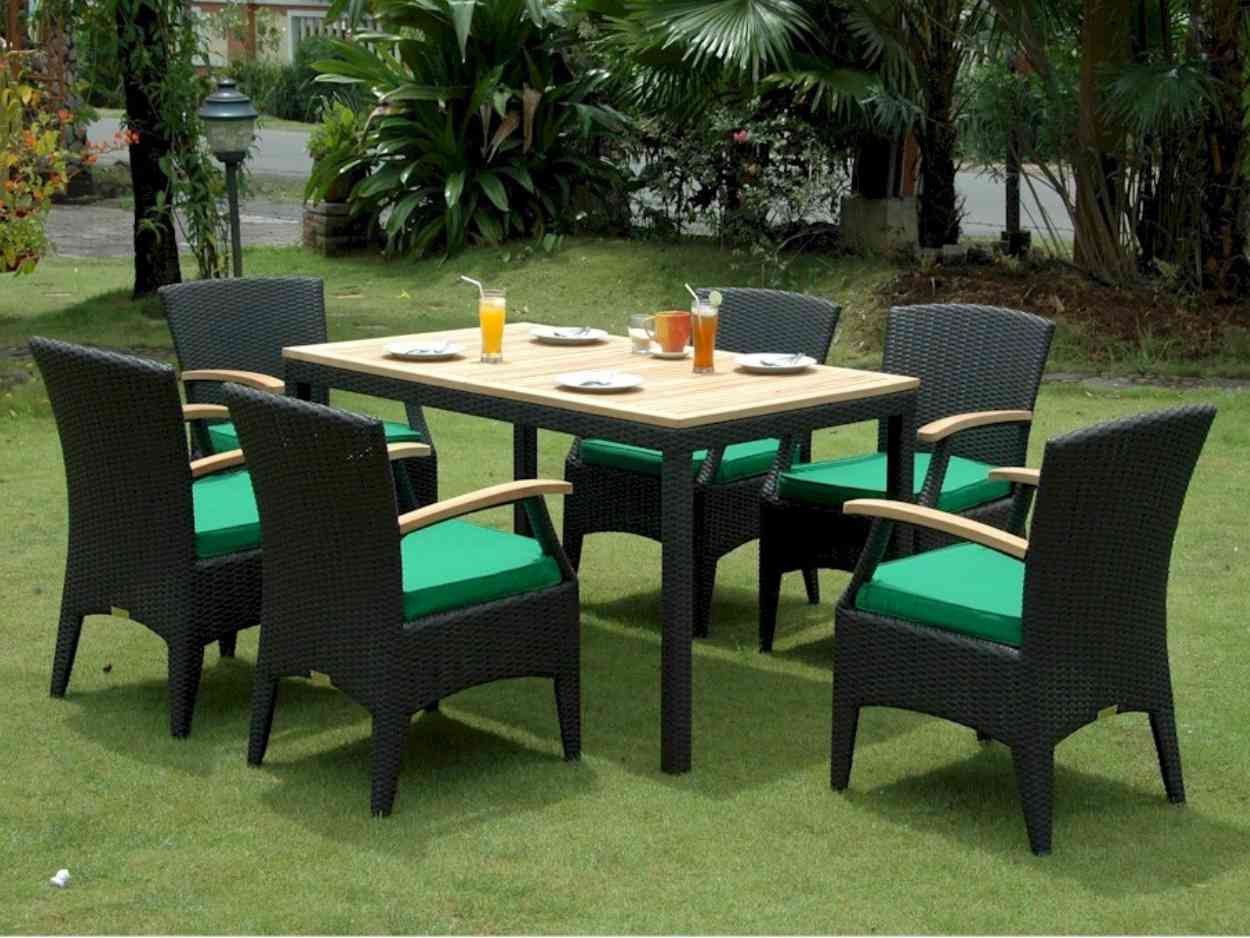
4. Synthetic Rattan Furniture Care & Maintenance
Preserving the Beauty and Durability of Your All-Weather Wicker Furniture
Anderson Teak synthetic rattan furniture combines elegant woven craftsmanship with modern outdoor performance. Designed to offer the natural appearance of traditional rattan, synthetic rattan provides enhanced resistance to moisture and everyday outdoor conditions.
With proper cleaning and maintenance, your synthetic rattan furniture can retain its beauty, comfort, and functionality for many years.
1. Regular Cleaning
• Remove loose dirt, dust, and leaves using a soft brush or microfiber cloth.
• Clean woven surfaces with mild soap and lukewarm water.
• Use a soft-bristle brush to gently remove dirt trapped between the woven strands.
• Rinse thoroughly with clean water using gentle water pressure.
• Allow the furniture to air-dry completely before use or storage.
• Clean more frequently in coastal environments or areas exposed to dust, pollution, and pool chemicals.
Avoid pressure washers, abrasive brushes, and harsh cleaning products that may damage the synthetic fibers.
2. Protecting the Synthetic Rattan Weave
Synthetic rattan is designed to withstand normal outdoor exposure. However, proper care helps preserve its flexibility, color, and structural integrity.
To maintain the woven material:
• Avoid placing extremely hot objects directly on the woven surfaces.
• Keep furniture away from open flames, fire pits, and excessive heat sources.
• Avoid cutting, scratching, or pulling individual woven strands.
• Do not stand or jump on woven seating surfaces.
• Avoid dragging furniture across rough surfaces.
• Inspect the weave periodically for loose or damaged strands.
Prolonged exposure to intense sunlight and extreme temperatures may gradually affect the appearance and flexibility of synthetic fibers.
3. UV & Weather Protection
Outdoor synthetic rattan is generally manufactured to provide resistance to sunlight and moisture.
For best long-term performance:
• Position furniture in shaded areas when practical during periods of intense sunlight.
• Rinse off chlorine, saltwater, and other chemical residues promptly.
• Prevent prolonged accumulation of standing water.
• Use breathable furniture covers during extended periods of non-use.
• Allow adequate airflow to minimize condensation and trapped moisture.
Although synthetic rattan is weather-resistant, it is not completely immune to environmental aging.
4. Seasonal & Winter Care
Synthetic rattan furniture can generally remain outdoors during normal weather conditions, subject to the material specifications and climate.
However, prolonged freezing temperatures, heavy snow, and extreme weather may affect the flexibility of certain synthetic fibers.
For additional protection:
• Clean and dry furniture thoroughly before winter storage.
• Store furniture in a dry, sheltered area during prolonged severe winter conditions whenever possible.
• Use breathable outdoor furniture covers when indoor storage is unavailable.
• Remove accumulated snow when practical.
• Avoid applying excessive pressure or impact to frozen woven surfaces.
• Store removable cushions indoors.
5. Frame & Structural Maintenance
Synthetic rattan furniture is commonly constructed over a supporting frame.
To maintain the frame:
• Inspect accessible screws, joints, and connections periodically.
• Tighten loose hardware when necessary.
• Keep exposed metal components clean and dry.
• Follow the appropriate care instructions for the specific frame material.
• Avoid exceeding the furniture's recommended weight capacity.
6. Important Care Recommendations
• Never use bleach, solvents, or strong chemicals unless approved for the specific material.
• Avoid abrasive cleaning tools and high-pressure washing.
• Do not use furniture near excessive heat sources.
• Remove spills promptly to minimize staining.
• Inspect the weave and frame periodically for signs of wear.
• Use furniture only for its intended purpose.
With regular cleaning and proper seasonal protection, Anderson Teak synthetic rattan furniture will continue to provide timeless style, comfort, and reliable outdoor performance.
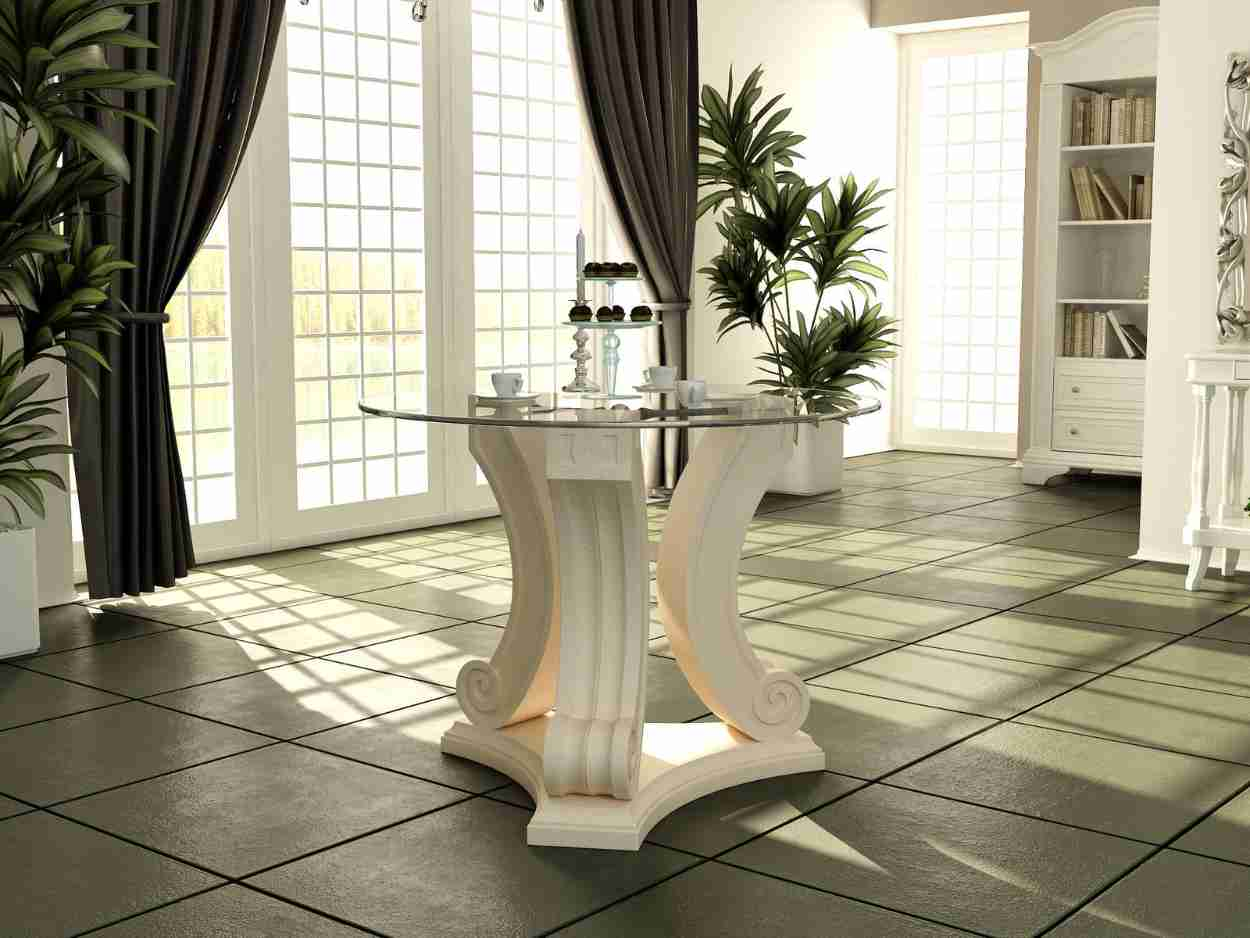
5. Cast Limestone Furniture & Planter Care & Maintenance
Preserving the Timeless Beauty of Your Cast Limestone Collection
Anderson Teak cast limestone furniture and decorative planters combine classic architectural elegance with durable outdoor craftsmanship.
Our cast limestone products are manufactured using limestone-based materials formed into distinctive designs, creating the appearance and character of natural stone.
Cast limestone, also commonly referred to as cast stone, offers a refined stone-like appearance with natural variations in texture, color, and surface characteristics.
Proper care and maintenance will help preserve the beauty and durability of your cast limestone products for years to come.
1. Regular Cleaning
• Remove loose dirt, leaves, and debris using a soft brush or cloth.
• Clean the surface with clean water and a mild, pH-neutral stone cleaner.
• Use a soft sponge or non-abrasive brush to gently remove dirt.
• Rinse thoroughly with clean water.
• Allow the surface to air-dry naturally.
• Clean spills and organic debris promptly to minimize staining.
Avoid harsh chemicals, abrasive cleaning pads, and high-pressure washers.
2. Protecting the Limestone Surface
Cast limestone is a porous material that may absorb moisture and certain liquids.
To help maintain its appearance:
• Clean spills promptly, especially oils, wine, coffee, and other staining substances.
• Avoid acidic cleaning products, including vinegar and lemon-based cleaners.
• Do not use harsh alkaline cleaners or chemical solvents.
• Avoid dragging heavy or sharp objects across stone surfaces.
• Use protective pads beneath decorative items when appropriate.
• Prevent prolonged contact with substances that may cause staining or discoloration.
3. Sealing & Surface Protection
For additional protection, Anderson Teak recommends considering a high-quality penetrating stone sealer specifically approved for cast limestone or cast stone.
A suitable penetrating sealer may help:
• Reduce moisture absorption.
• Minimize the penetration of certain stains.
• Preserve the natural appearance of the stone.
• Make routine cleaning easier.
Important recommendations:
• Select a breathable, penetrating impregnating sealer compatible with the specific product.
• Test the sealer on a small, inconspicuous area before application.
• Ensure the stone is clean and completely dry before sealing.
• Follow the sealer manufacturer's application and reapplication instructions.
• Avoid glossy surface coatings unless specifically approved for the product.
Important: A penetrating sealer helps reduce water absorption but does not make cast limestone completely waterproof or eliminate the risk of freeze-thaw damage.
4. Outdoor Weather & Winter Care
Cast limestone products are designed for outdoor decorative and furniture applications, subject to their specific construction and environmental conditions.
However, porous stone materials may absorb moisture. Repeated freezing and thawing can create internal stress when absorbed water freezes and expands.
For additional protection during winter:
• Keep surfaces clean and free of accumulated debris.
• Avoid prolonged standing water on stone surfaces.
• Use breathable protective covers where appropriate.
• Prevent water from collecting in recessed areas.
• Avoid using rock salt or harsh chemical deicers directly on the stone.
• Consider sheltered storage during prolonged severe freezing conditions.
• Follow the specific product's cold-weather recommendations.
5. Special Care for Cast Limestone Planters
Cast limestone planters require additional attention because soil and irrigation water can retain moisture.
To help protect your planters:
• Avoid excessive watering and prolonged water saturation.
• Use an appropriate planting medium that promotes drainage.
• Keep existing drainage openings clear.
• Prevent water from accumulating inside the planter.
• Avoid allowing saturated soil to freeze repeatedly during severe winter conditions.
• Consider moving planters to a sheltered location during prolonged freezing weather when practical.
Drainage Considerations:
Some decorative planters may be supplied without drainage openings. Drainage modifications should be made only when appropriate for the specific planter design and approved by the manufacturer.
Drilling holes without approval may cause cracking or structural damage.
Winter Considerations:
It is not always necessary to empty planters before the first frost. However, saturated soil and trapped water can increase the risk of freeze-thaw damage. Appropriate drainage and winter protection are important, particularly in climates experiencing prolonged freezing temperatures.
6. Natural Characteristics of Cast Limestone
Cast limestone products may exhibit natural-looking variations that contribute to their architectural character.
These may include:
• Subtle variations in color and texture.
• Minor surface pores or air pockets.
• Slight differences in surface appearance.
• Gradual changes in color due to outdoor exposure.
• Natural weathering and the development of a soft patina over time.
These characteristics are generally consistent with the appearance of cast stone and do not necessarily indicate manufacturing defects.
7. Important Care Recommendations
• Avoid acidic cleaners and abrasive chemicals.
• Do not use pressure washers.
• Clean spills promptly to minimize staining.
• Use only compatible stone sealers.
• Prevent standing water whenever practical.
• Protect stone surfaces from heavy impacts.
• Avoid dragging or dropping cast limestone furniture and planters.
• Use appropriate lifting equipment when moving heavy stone products.
• Inspect products periodically for cracks or other signs of damage.
With proper cleaning, suitable surface protection, and thoughtful seasonal maintenance, Anderson Teak cast limestone furniture and planters will continue to enhance your outdoor living spaces with timeless architectural beauty.